 Hollow Ridge Exteriors
Clear Answers for Homeowners Planning a New Roof
Many homeowners ask the same things before roof installation starts: how long it takes, what the steps are, how to get ready, and when problems may come up. The short answer is that roof installation is a planned process with inspection, material delivery, tear-off or prep work, deck checks, underlayment, shingle or panel placement, and final cleanup. When you know what happens at each stage, it is much easier to make smart choices and avoid stress.
Quick Answer to the Most Common Questions
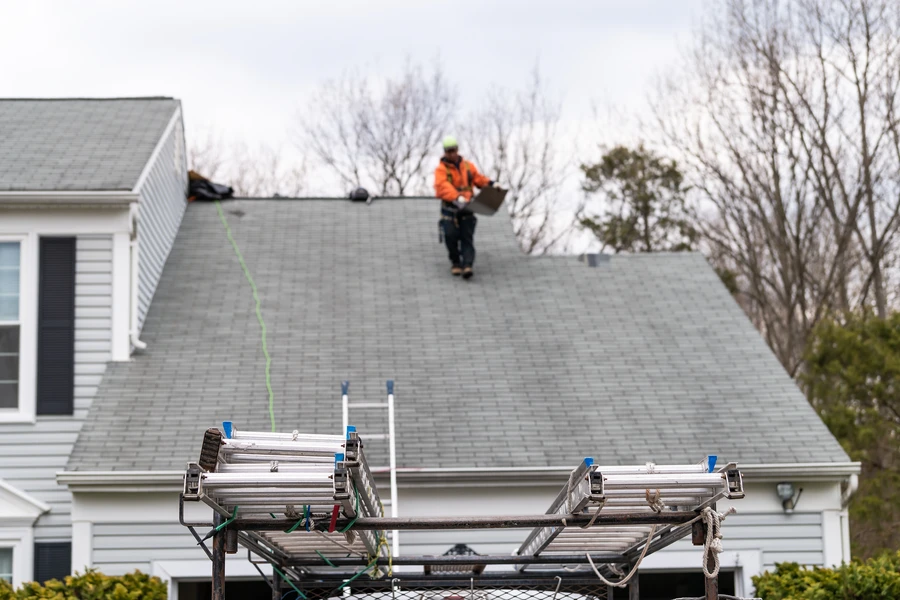
Most roof installation jobs follow a simple path. First, the old roof may need to come off. Next, the roof deck gets checked for damage. Then a water barrier and underlayment go down. After that, the new roofing material is installed. Flashing, vents, and ridge caps are added last. A basic residential job may take one to a few days, but weather, roof size, and roof shape can change the timeline.
People also ask if they need to leave the house. In many cases, no. The work is loud, though, and pets or small children may feel upset by the noise. Another common question is about permits. Some areas require them, and some types of work have different rules. That is one reason it helps to ask questions early.
What You Need Before Starting
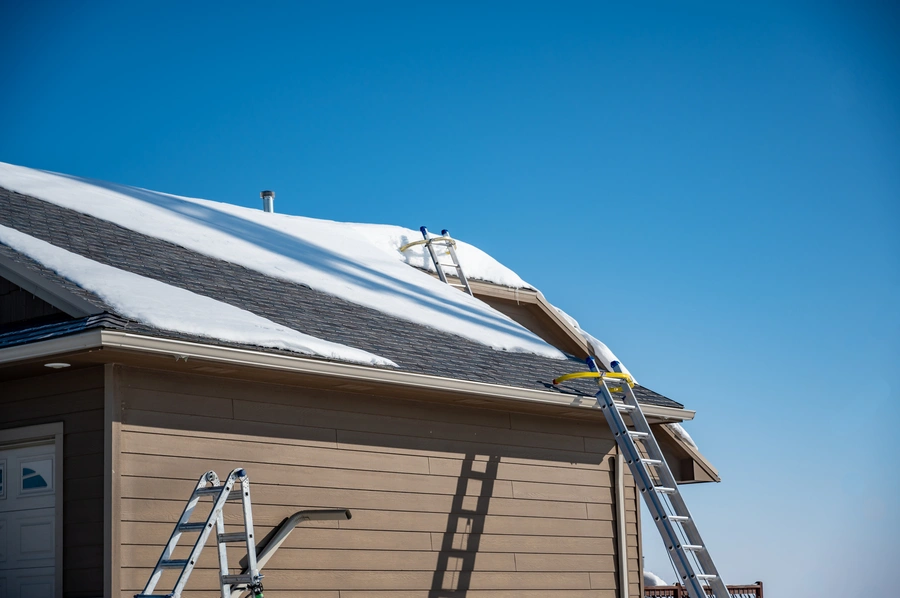
Before roof installation begins, a little planning can make the job smoother. Homeowners should know what roofing material they want, what condition the current roof is in, and if there have been leaks before. It also helps to clear the driveway and move fragile wall items inside the home, since hammering can shake the walls.
You should also ask about ventilation, cleanup, and the condition of the wood under the old roof. If hidden rot is found, repairs may be needed before the new surface goes on. Even if the main goal is a better-looking roof, the base layer matters just as much as the shingles or panels you can see.
- Pick your roofing material and color early
- Ask if damaged wood will be replaced if found
- Move cars away from the work area
- Protect items in the attic from dust
- Ask about permits and inspection rules
- Make a plan for children and pets during work hours
Step-by-Step Process
Homeowners often feel better when they know the order of the job. A normal roof installation usually looks like this:
- The crew delivers materials and sets up the site.
- Old shingles or roofing sections are removed if needed.
- The roof deck is checked for soft spots, rot, or holes.
- Any bad wood is replaced.
- Ice and water shield or similar barrier is added in key areas.
- Underlayment is rolled out across the roof deck.
- Flashing is added around chimneys, vents, and valleys.
- Shingles, metal panels, or other roofing materials are installed.
- Ridge vents, caps, and finishing pieces are added.
- The site is cleaned, and loose nails and debris are removed.
This process may sound simple, but each part must be done in the right order. If one layer is skipped or installed poorly, water can work its way into the home later.
Common Mistakes to Avoid
One common mistake is choosing materials based only on color or price. A roof needs to match the slope of the house, local weather, and ventilation setup. Another mistake is ignoring small signs of trouble before the job starts. A stain on the ceiling or a musty attic smell may point to moisture problems that should be checked before the new roof goes on.
People also forget to ask about flashing. Shingles are only one part of the system. Flashing around roof edges, skylights, vents, and chimneys helps stop leaks. Poor attic ventilation is another problem. A new roof can still fail early if heat and moisture get trapped below it.
Some homeowners also try to compare jobs without looking at what is actually included. One plan may include tear-off, new underlayment, cleanup, and deck repair checks, while another may not. That is why clear questions matter.
When to Call a Professional
Small roof tasks, like cleaning leaves from gutters, may be safe for some homeowners. Full roof installation is not a simple weekend project. Roof work involves height, heavy materials, sharp tools, and weather risk. It also takes skill to place each layer so water moves off the roof the right way.
You should call a professional if your roof is leaking, sagging, missing large sections, or nearing the end of its life. You should also get help if your home has steep roof lines, multiple valleys, skylights, or signs of rotted decking. These issues can be easy to miss from the ground but serious once work begins.
If you live in Birdsboro, PA, local weather can also affect timing and material choice. Strong sun, storms, and wind can all change how a new roof should be installed. That is why local knowledge can help homeowners ask better questions and plan the job with fewer surprises.
Final Recommendation
If you are thinking about roof installation, start with the basics: ask what material fits your home, what shape the roof deck is in, how long the work should take, and how cleanup will be handled. Good planning can help you avoid delays, reduce stress, and get a roof that lasts longer. If you want guidance for your property in Birdsboro, PA, call us at (484) 746-0577. At Hollow Ridge Exteriors, we are happy to answer questions, explain the process, and help you decide the next step.